


Public
Exploring the psychology behind casino gaming strategies
The Allure of Risk and Reward
The psychology of casino gaming is deeply intertwined with the concepts of risk and reward. Players are often drawn to the thrill of potentially winning large sums of money, which activates the brain’s reward centers. This stimulation releases dopamine, a neurotransmitter linked to pleasure, reinforcing the behavior. The anticipation of a win creates a euphoric state that can lead players to return for more, further entrenching them in the gaming experience. Additionally, engaging in activities such as bitcoin betting sites can provide an alternative means of experiencing excitement and the unforeseen twists of chance.
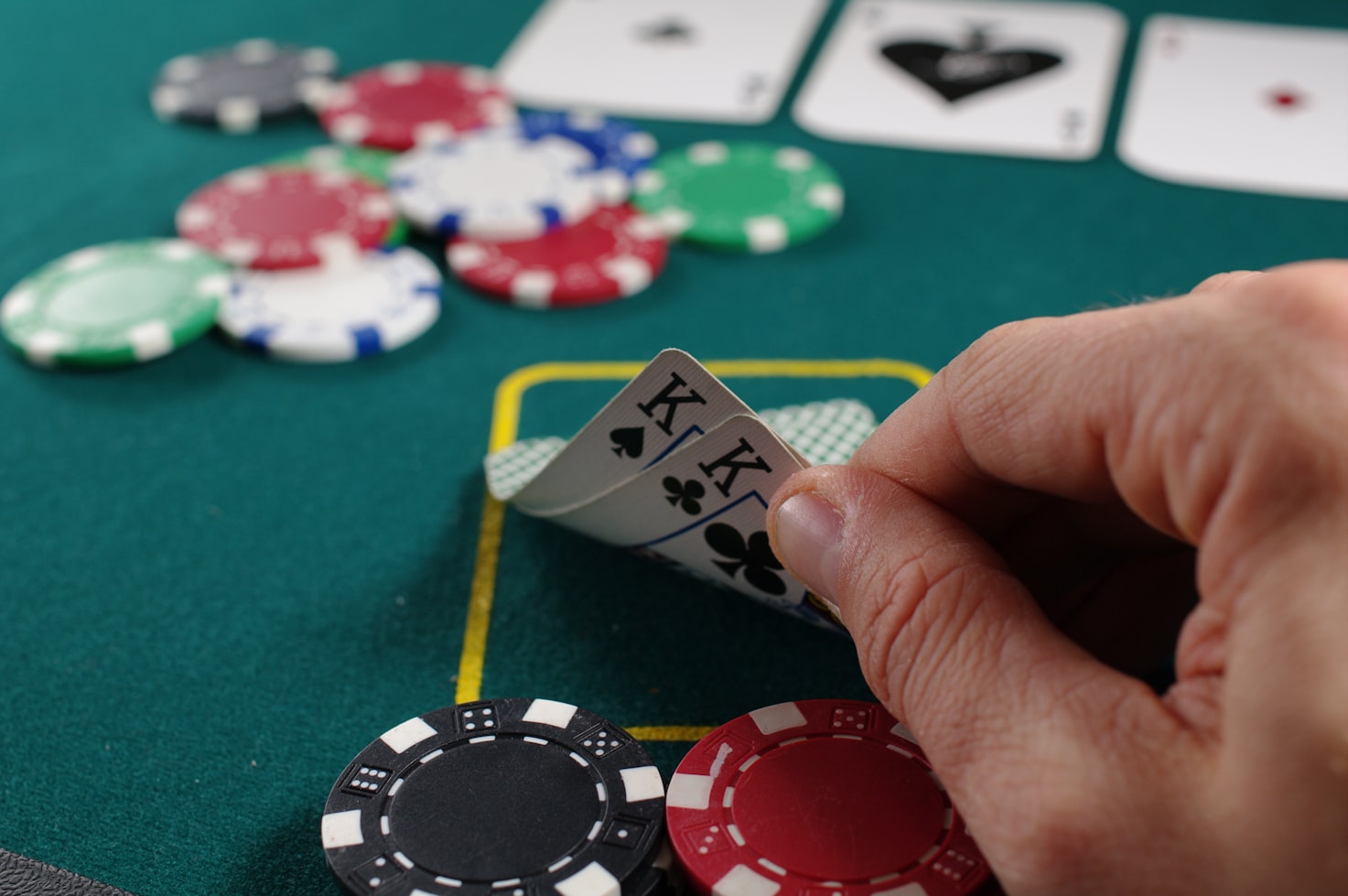
Furthermore, the way casinos structure games enhances this appeal. Games are designed to offer near wins, giving players a false sense of control and increasing their likelihood of continuing to engage. This psychological manipulation taps into basic human instincts, making the risk seem worthwhile, even when statistically, the house always has an edge.
Understanding Cognitive Biases
Many players fall prey to cognitive biases that shape their gaming strategies. One pervasive bias is the “Gambler’s Fallacy,” where individuals believe that past results influence future outcomes. This misconception can lead players to make irrational decisions, such as betting more in the belief that they are “due” for a win. Understanding these biases can be crucial for both players and casinos in shaping appropriate strategies.
Another common bias is the “illusion of control,” where players believe they can influence the outcome of random games. This belief can cause players to rely heavily on personal rituals or strategies, despite the fact that most casino games rely purely on chance. Recognizing these biases allows for a more informed approach to gaming, where players can mitigate emotional decision-making that may lead to losses.
The Role of Emotion in Decision-Making
Emotions play a significant role in how players approach gaming strategies. Many individuals may enter a casino with a set budget but find that emotions can easily sway their decision-making processes. Factors such as excitement, frustration, or even a sense of urgency can lead to impulsive betting, often resulting in financial losses.
The environment of a casino is meticulously crafted to amplify these emotions, from the vibrant lights and sounds to the upbeat atmosphere. This can create a euphoric feedback loop that encourages players to gamble more than they initially intended. Understanding how emotions can distort judgment can empower players to develop more disciplined gambling strategies that focus on enjoyment rather than solely on winning.
Social Influences on Gambling Behavior
The social dynamics of gambling cannot be overlooked when exploring casino gaming strategies. Many players enjoy the camaraderie that comes with gaming in a social setting, which can lead to shared decision-making and gambling habits. The presence of friends or fellow gamblers can create a sense of community that reinforces certain behaviors, even if those behaviors are not necessarily in the player’s best financial interest.
Peer pressure can also influence players to adopt more aggressive strategies, often abandoning their original plans. This social aspect can enhance the enjoyment of gambling but may also lead to reckless behavior. An awareness of the social factors at play can aid players in maintaining a more rational and controlled approach to their gaming experiences.

Conclusions and Insights on Responsible Gaming
In the exploration of casino gaming strategies, it is essential to understand the psychological elements at play. Recognizing the allure of risk, cognitive biases, emotional influences, and social dynamics can equip players with knowledge that enhances their gaming experience while supporting responsible behavior.
For those interested in the intricacies of gaming psychology, it is vital to seek resources that promote safe gambling habits. Education can empower players to enjoy the excitement of casinos while minimizing the potential for negative outcomes, allowing for a balanced approach to gaming. Ultimately, informed players can cultivate a more enriching and enjoyable casino experience, balancing thrill with responsibility.